Misconceptions in Selecting Forage for Horses – Storage Form
By Dr. Stephen Duren, Performance Horse Nutrition and Standlee Premium Western Forage® Nutritional Consultants
Forage in the form of hay or pasture is the primary ingredient in the diet for most horses. Horses can consume many different varieties of high-quality forage, both alfalfa and grasses, without digestive upset, provided the horse is properly adapted to the forage.
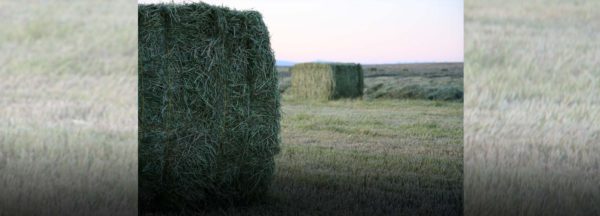
Forage can be stored in many different physical forms. The most common forms include: small rectangle bales (2-string), large rectangle bales (3-string), larger rectangle bales (5-string) and round bales.
Misconception: Horses should never eat forage stored in round bales.
Fact: The physical storage form of forage does not influence its nutrient content or digestibility. Forage that is harvested at the proper stage of maturity and allowed to dry to the proper moisture content can be fed to horses regardless of the storage form. Forage that is put into a bale when the plant is too wet will mold regardless of the type of bale. Further, forage that is put into a bale at the proper moisture content but then stored outside without cover will mold and become weather damaged independent of the bale type.
Solution: Regardless of the type of bale, make sure forage was properly dried prior to baling and store bales in a covered area to prevent future weather damage.
Learn more on Standlee’s website.
