Working With a Badly Started Colt
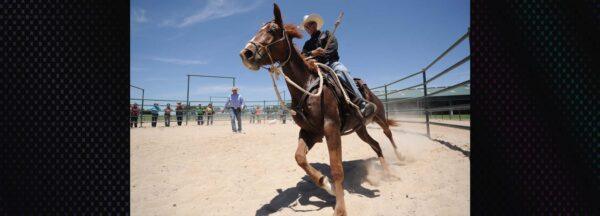
Q&A: I’m getting a colt that’s supposedly had one ride that didn’t go well. Should I follow the Colt Starting Series or the Fundamentals Series?
Clinton’s Answer:
You didn’t mention whether you’re familiar with the Method yourself or how experienced a horseman you are, so what I’m about to say may not apply to you, but it’s worth mentioning. Starting horses under saddle is serious business because it sets the foundation for the rest of the horse’s career and it can be very dangerous if something goes wrong. It sounds like this horse is already off to a rocky start. If you have any doubts about your ability or if you’re unfamiliar with the Method, I’d strongly recommend reaching out to one of my Professional Clinicians to have them either train the horse or step you through the process. It’s vital that a colt’s first several rides go well to build his confidence. When a bad experience gets repeated, it quickly turns into a habit that can be difficult to correct.
With that being said, if you’re experienced and confident in your ability to handle the challenge, you’ll want to follow the Colt Starting Series. In the series, I explain step-by-step how to establish first touch with a wild horse through the horse’s 14th ride, including taking the young horse on the trail for the first time. You won’t need the first few lessons where I talk about how to get your hands on a wild horse, but I’d start right from the beginning with this colt and act as if you just got him in for training and he hasn’t been ridden before. Get a respectful, willing partnership established with him on the ground and then progress to riding him.
In the Fundamentals Series, I do not explain how to introduce the saddle to the horse, prepare the horse for feeling a rider’s weight, how to bridle a horse, etc.; the series assumes the horse is broke to ride. The Colt Starting Series goes into great detail about all of those topics and much more, like how to transition a colt from the hackamore to the snaffle bit, handling feet, bathing and ponying a colt. While the Colt Starting Series will give you a comprehensive lesson plan to follow to safely start your colt, and even includes review sessions to ensure that you’re on the right track, it is highly recommended that you are competent at the Fundamentals. In fact, as you work through the exercises, you’ll refer to the kit.
The best success tip I can give to horsemen starting colts is to be proficient at the Fundamentals level of the Method. The first six weeks of a colt’s life under saddle are the most important in his career. It’s vital that his training runs smoothly so that he doesn’t develop any bad habits. For that to happen, you must be a confident, knowledgeable and trustworthy leader for him, which are all skills you learn from the Fundamentals level of the Method.
