Training Tip: The Perils of Training a Horse With Another Person
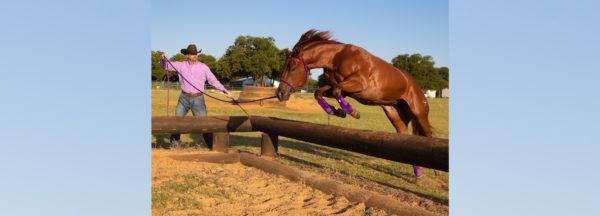
Question: My wife and I have an 8-year-old Paint and we are starting him on your Fundamentals. We have problems with his ground manners. I would like to know if we can both work him, and if so, how should we proceed, keeping in mind that we should work with him at least three days in a row? – TomandLiz
Clinton’s Answer: While it can be done, I recommend not having two people teach a horse the Fundamentals at the same time. It just makes things more difficult for the horse, especially if both humans are learning the Method as well. You might reward the horse when he does this and your wife might reward him when he does that. And since you’re learning the Method, you’ll also be working on developing clear signals with your body language, and more than likely, your and your wife’s initial attempts won’t be the same. It adds a big area of gray for the horse and causes one of the most important ingredients in a horse’s training to be missing—consistency.
My advice would be for one of you to take the horse through the Fundamentals first, and then, once he understands each lesson and is doing them fairly well, the other person can start working with him.
