Training Tip: Let Your Horse Be a Horse to Overcome Burnout
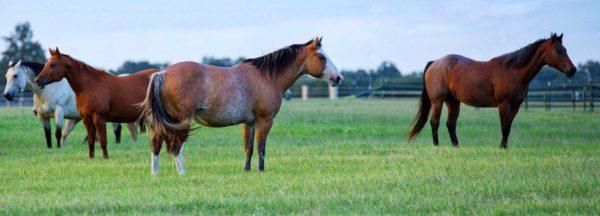
Horses are no different from us; from time to time, they can get burnt out. That’s why it’s important to let your horse just be a horse. That means turning him out and letting him interact with other horses. Not only will turnout allow your horse to burn off excess energy, but it will also keep his mental well-being in check, especially if he’s turned out with other horses. The more you confine a horse and don’t give him the opportunity to socialize and interact with other horses, as he normally would do in a herd, the more uncomfortable he feels.
Mother Nature intended horses to constantly be on the move, interacting with each other. Taking them out of their natural state creates stress in their lives. A lot of horses deal with that stress by developing a stall vice—weaving, cribbing, etc. That vice is their attempt to stimulate their brains and give themselves something to do.
Horses are most content when they can touch other horses, be near them, or at least see them. I’ve noticed that with turnout, my horses are happier and seem to enjoy their lives much more. They have a better overall attitude toward their work, and their training progresses more quickly.
Looking for more training tips? Check out the No Worries Club. Have a training question? Submit it on our website.
