Training Tip: Fix the Cause, not the Symptoms
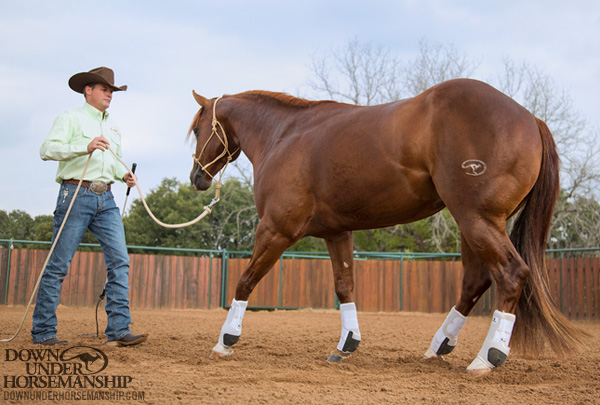
The majority of horse “problems” (such as bucking, rearing, biting and pawing) aren’t really problems at all; they are really just symptoms of a cause. Ninety-five percent of all the problems you will ever have to deal with as a horse owner will fix themselves if you do the groundwork and earn your horse’s respect.
Most people think that their horse’s problem is the real issue, but it’s not. It’s nothing more than a symptom of a cause. People get so focused on the horse’s bad behavior that they can’t see what is actually causing it. It’s like a weed growing in the ground. You can chop it off with a weed whacker, but two weeks later it will grow right back because the root system is still intact. If you really want to kill the weed, you need to pour weed killer on it to kill the root system. When you kill the roots, the weed will die.
It’s the same thing when training horses. Any problem that a horse could possibly have comes from either a lack of respect or fear, or in some cases, both.
