Training Guide: Attitude Adjustment for Cranky Horses
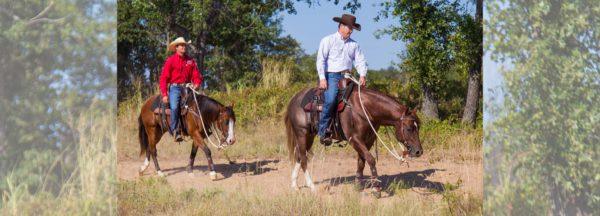
Horses that misbehave in group situations are a hazard to themselves and others. More than likely, you’ve been on a trail ride with a pinny-eared horse that snakes his head around to bite others or tries to lash out with his hind legs. One ill-mannered horse can disrupt an otherwise enjoyable ride and create a very dangerous situation.
“If your horse is kicking or pinning his ears when he’s around others, he’s telling you that there are holes in his foundation. A lot of groundwork—moving the horse’s feet forwards, backwards, left and right and always rewarding the slightest try—will teach him to respect you and keep his attention focused on you. Although this probably won’t cure the problem, it will certainly help by laying a foundation of respect,” Clinton explains.
The best way to get a horse over pinning his ears or kicking other horses is to expose him to other horses, let him commit to the mistake, and then correct him. “Protecting him by keeping him away from other horses is not going to make his cranky attitude go away,” Clinton warns.
In the training guide, “Biting and Kicking Other Horses,” Clinton shares how to correct a cranky horse and ensure that everyone on a group ride stays safe. Read the article on the Downunder Horsemanship website.
