Training Tip: Dumped On the First Ride
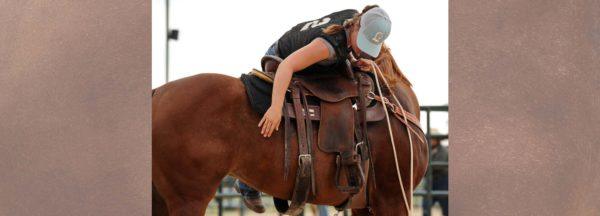
Question: I just tried to put the first ride on one of my mustang mares, but after I mounted and did flexing (both of which she stood still for), she suddenly bolted around the roundpen until I flew off. I have been practicing all the groundwork in the Colt Starting Series every day for the past month. What should I do?
Answer: Without having been there to see what happened, it sounds like this situation was due to human error. Before getting on a colt for the first time, you want to be sure he’s thoroughly prepared on the ground, meaning he’s tuned in to you and using the thinking side of his brain. You want the colt to be a little sweaty. I have a saying: A tired colt is a good colt. That doesn’t mean you work the colt to exhaustion. It means you do enough work with him on the ground to get him in a good frame of mind and to set him up for success. That’s the complete opposite of getting on a colt that’s had little work on the ground and is fresh and full of beans.
When giving a horse his first ride, you should have an assistant with you. While one person will be a passenger on the horse, just allowing the horse to get used to having someone on his back, the other person will control the horse from the ground. The ground person is extremely important because in situations like yours, where the horse gets frightened and tries to take off, the assistant on the ground can get the horse to give them two eyes and come to a stop.
It sounds to me like two things went wrong. Your helper on the ground didn’t do a good job of keeping the mare’s attention on them while you were flexing her. The assistant should be standing directly in front of the horse and constantly be slapping the ground with a stick with plastic bags attached to it.
You want half the colt’s attention to be on the rider and half to be on the helper. By continuously whacking the ground, the helper is ensuring that the colt doesn’t forget about them. The rider will do their part by constantly moving all over the colt once they get in the saddle.
You wouldn’t want the colt’s full attention to be on the rider because then he would have too much opportunity to think about getting worried. And you also wouldn’t want his full attention to be on the helper because then he might momentarily forget about the rider and get startled when he suddenly saw them up in the saddle again.
When your mare went to take off, you should have immediately pulled one rein to your hip and waited for her to stand still and soften to the pressure. Your assistant on the ground should have helped you by getting out in front of her drive line and bringing her to a stop.
I’m not saying this is what happened, but it’s worth mentioning that it’s very important with colts that you don’t overreact to them. That means when they get startled, you don’t get scared and grab their sides with your legs or pull back on both reins to try and make them stand still. That will only cause them to use the reactive side of their brain and really try to get away from you. You need to keep your emotions calm, and confidently go about your business.
The best way to move forward with your mare is to review your groundwork, paying special attention to exercises like Stirrup Driving and Pick Me Up Off the Fence. You want to make sure she is really confident about the saddle moving and making noise on her and about seeing you above her eyeline.
When it comes time to do the first ride again, you need to have a hard talk with yourself. What I’m about to say is because I care about your safety: Starting colts is not for inexperienced riders or riders with confidence issues. If you feel like you’re not a confident enough rider to give the mare her first ride, find a professional who is.
It’s just as important to ensure that you have a competent person helping you on the ground and that the two of you communicate well with each other. Your assistant is your lifeline if something goes wrong.
Your mare is already in a bad spot with you having come out of the saddle. It’s important that the next several rides go well with no issues otherwise you’re setting her up to fail and letting huge problems develop. Can they be fixed? Yes, but it’ll take a lot of work and time to get her confidence built back up.
Looking for more training tips? Check out the No Worries Club. Have a training question? Send it to us at [email protected].
