Misconceptions in Selecting Forage for Horses – Sugar Content of Forage
Dr. Stephen Duren, Performance Horse Nutrition and Standlee Premium Western Forage® Nutritional Consultants
Forage in the form of hay or pasture is the primary ingredient in the diet for most horses. Horses can consume many different varieties of high-quality forage, both alfalfa and grasses, without digestive upset, provided the horse is properly adapted to the forage.
Many horse owners have animals that are sensitive to the sugar content of forage due to diseases such as insulin resistance and laminitis.
Misconception: Alfalfa is high in sugar and is not appropriate for horses that are sugar-sensitive.
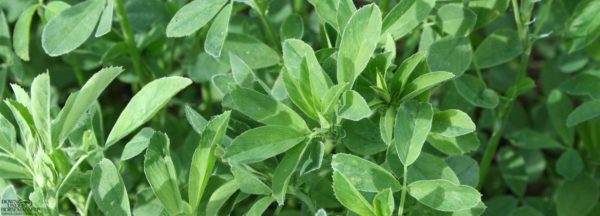
Fact: Alfalfa is actually lower in sugar than many types of grass hay, as sugar is not the primary energy storage unit of legumes. The sugar content of hay is determined by many factors including variety of forage, growing conditions and harvesting conditions. Cool-season grasses store carbohydrate as sugar and are naturally high in sugar.
Solution: If your horse is sensitive to the sugar content of the diet, all forage should be tested for sugar content prior to feeding any variety. Simply believing that one type of forage is better than another is not the answer.
