Training Tip: Rescue Horse Misbehaving
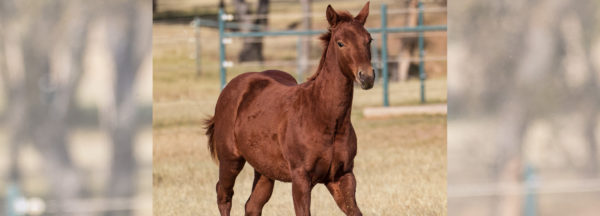
Question: I have a 4-year-old Quarter Horse/Arab cross I was given for free and was told he was only a little green. Later, I found out that he has been on a dogger’s truck two times, so really I know nothing about his backstory. He is starting to rear up, and the farrier won’t touch him now. He has started to spook at everything, and he was meant to be a horse for my daughter. We’ve tried to roundpen him like in your videos but he broke through the arena and bolted when under pressure. We can’t rug him outside his yard tied up now because if there are too many people or another horse, he will lose it and break free and bolt. Everyone is telling me to put him on a truck, but I can’t do it to him. I made a promise to him and my daughter to try to help him. We have made slight progress, like changing his halter he has had on for god knows how long. Any tips would be greatly appreciated. – Danielle Iveson
Clinton’s Answer: Most horses that are free are free for a good reason and you’re learning why. I’m going to address two parts to this question, and you’re probably not going to like what I have to say. My job is to keep people safe; not to tiptoe around feelings and emotions. I’m not able to see you work with this horse, but based off your question, he is not a good match for you or your daughter.
Nothing will get you into trouble faster in the horse world than emotions. Whether you’re using emotions to train your horse or you’re buying your next equine partner based off them, letting emotions factor into a process or decision is a surefire way to set yourself (and the horse!) up for failure. As soon as emotions get involved—you feel sorry for the horse’s abusive past or poor lot in life—good judgment goes right out the window.
The unfortunate truth is that most mismatched partnerships end with the rider being severely injured, or much worse. And believe me, it’s not if you’re going to get hurt, but when it’s going to happen. When you do get injured, your horse won’t send flowers to the hospital and call you every day to see how you’re doing.
In reality, this horse needs an experienced horseman who knows how to start a horse and deal with problem behavior and who has time to consistently train him. This isn’t a horse that can be worked with two days a week; he needs daily training. He needs to start the Method right from the beginning, doing the Fundamentals exercises in order. You were correct to start him in the roundpen, but something isn’t going right. A horse doesn’t just jump out or run through a roundpen. He’s either getting way too much pressure put on him or the roundpen is so flimsy or short that it’s easy for him to step over.
I’d encourage you to study the roundpenning video again and read the Arena Mate. It’d be helpful to set your phone up next to the roundpen and video yourself doing the exercise with the horse. Then compare your body language and what you’re doing to what I’m doing in the Fundamentals video. That’ll give you a good idea of what you need to fix.
If you’re set on keeping this horse, the best thing you can do for him and yourself is to hire a professional to train him and you. Your daughter’s safety, your safety and his safety should be your top concern.
